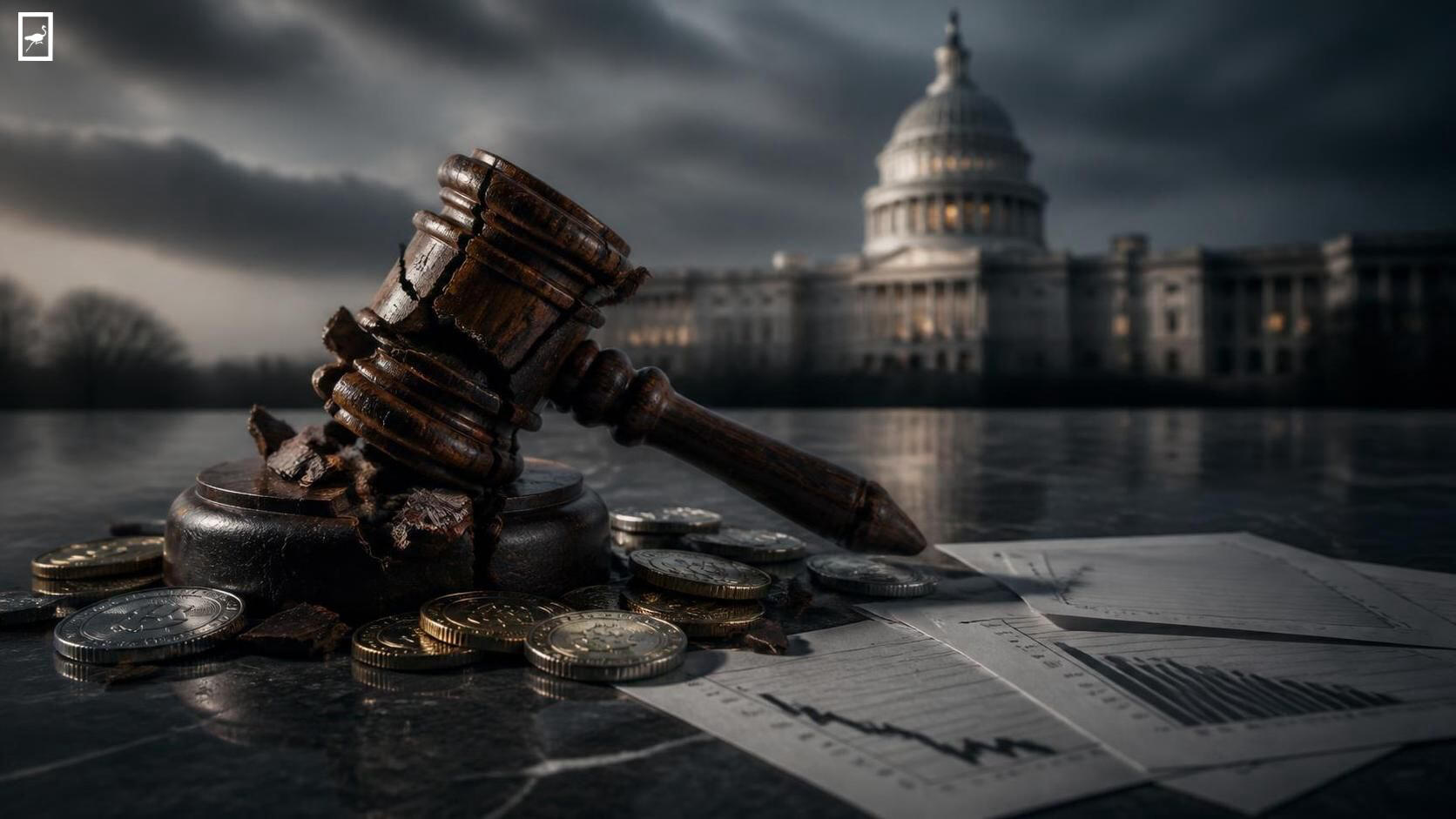
The Vote That Stopped Everything
The U.S. Senate voted 49-50 on Tuesday to block the Digital Asset Market Clarity Act, falling 10 votes short of the 60 needed to advance the bill. Four Republicans broke ranks: Susan Collins of Maine, Josh Hawley of Missouri, Jerry Moran of Kansas, and Thom Tillis of North Carolina, though Tillis switched his vote at the last minute for procedural reasons to preserve the option of a future reconsideration.
Every Democrat voted against it. Not a single one crossed the aisle, even after roughly a dozen Senate Democrats spent months negotiating the bill’s text.
Senator Cynthia Lummis, the Wyoming Republican who has championed crypto legislation for years, didn’t mince words afterward. “The bill is dead,” she told Politico. “This was a purely political move on the part of the Democrats”.
I’ve watched crypto bills come and go on Capitol Hill for years, and I can’t recall a collapse this complete. The industry didn’t just lose a vote. It lost the entire legislative session.
What the Clarity Act Would Have Done
The bill was the most ambitious attempt yet to create a national regulatory framework for digital assets. It would have split oversight between two agencies: the Commodity Futures Trading Commission would get exclusive jurisdiction over cash and spot market sales of digital commodities, while the Securities and Exchange Commission would keep authority over primary market sales of ancillary assets, subject to a limited registration exemption.
In practical terms, that meant crypto exchanges, brokers, and certain DeFi protocols would register with the CFTC. Tokenized stocks and securities would stay under the SEC’s watch. The bill also would have required joint rulemaking between the two agencies to define blockchain terminology and govern mixed digital asset transactions.
Supporters argued this would finally give the $2.3 trillion crypto sector the legal certainty it’s been begging for since Bitcoin’s whitepaper surfaced in 2008. For years, crypto firms have complained that they’re operating in a gray zone where nobody knows which regulator has jurisdiction over what. The Clarity Act was supposed to end that.
It didn’t.
Why It Failed
Two forces killed the bill, and they’re worth understanding separately.
The first was Democratic opposition over President Trump’s crypto conflicts. Democrats wanted stronger ethics provisions restricting elected officials and their families from profiting off digital assets while in office. That’s not a hypothetical concern. Trump earned more than $1.4 billion through crypto ventures in 2025 alone. Several Democrats who generally support crypto regulation said they remained open to a deal but wanted those restrictions baked into the text.
Republicans released new bill text Sunday night in a last-ditch effort to address those concerns. Democrats sent a counteroffer late Monday. Neither side budged before Tuesday’s vote.
The second force was the banking industry. Collins told Newsweek the bill had grown to more than 600 pages with provisions that needed further study, particularly whether it would cause community banks and credit unions to lose deposits that fund mortgages and small business loans. Hawley echoed that concern, saying farmers in his state were “absolutely scared to death” about losing access to credit.
In my experience covering financial regulation, that’s the kind of argument that’s hard to beat. Community bankers are beloved on Capitol Hill. Crypto executives aren’t.
The Market Reaction
Bitcoin fell more than 5% as the vote appeared on track to fail, its biggest daily percentage decline since June. It dropped below $75,000 after trading near $82,000 earlier in the month. Ethereum hit $3,358, Solana plunged below $96, and XRP fell over 10% to $1.26.
Coinbase shares fell as much as 10%. Circle, the stablecoin issuer, took a similar hit. Polymarket odds of the Clarity Act being signed into law in 2026 dropped to 5%.
The industry spent hundreds of millions of dollars lobbying for this bill. That money bought access, meetings, and goodwill. It didn’t buy votes.
What Comes Next
The crypto industry’s immediate pivot is to the regulators. Coinbase CEO Brian Armstrong said after the vote that “the SEC and CFTC have the tools they need to create clear rules under existing authority, and I expect will begin working on this in earnest”.
He’s right about the tools. He’s less right about the durability. Industry experts have consistently said only Congress can create a lasting regulatory framework. Without legislation, rules written by regulators are vulnerable to political shifts and court challenges. The Trump administration’s own rollback of dozens of SEC policies introduced under Biden underscores exactly that risk.
I think the crypto lobby will spend the next two months pouring money into midterm races, hoping to elect enough allies to revive the bill in the next Congress. Lummis has already entered a motion to reconsider, which keeps the door technically open. But Congress departs Washington this month ahead of the November midterms, and nobody I’ve spoken to expects movement before then.
The Clarity Act isn’t coming back this year. The question is whether it comes back at all.
Summary
- The Senate voted 49-50 to block the Digital Asset Market Clarity Act, falling 10 votes short of the 60 needed to advance.
- Four Republicans broke ranks; every Democrat voted against it.
- The bill would have split crypto oversight between the CFTC and SEC, creating a national regulatory framework for digital assets.
- Democrats objected to insufficient ethics restrictions on Trump’s crypto profits; Republicans cited banking industry concerns.
- Bitcoin fell below $75,000 and Coinbase shares dropped 10% after the vote.
- The industry is pivoting to regulators, but experts warn only Congress can provide lasting legal certainty.
Comments
Please login to comment
Login